Zoo
Project


Pelecanus onocrotalus
Great White Pelican
Domain: Eukaryota
Kingdom: Animalia
Phylum: Chordata
Class: Aves
Order: Pelecaniformes
Family: Pelecanidae
Genus: Pelecanus
Species: onocrotalus
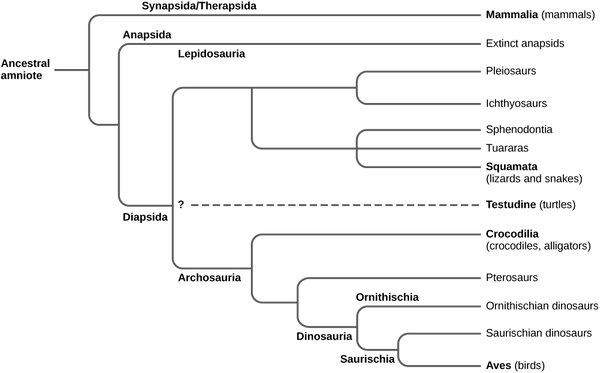
Taxonomy
Biome
Freshwater Wetlands
Characteristics/Adaptations
-
Great White Pelicans live and hunt in gigantic packs.
-
Once airborne they ride thermals as staggered lines or “V” formations. The leader guides the pack and every pelican mimics his actions.
-
They always fly with their pouches empty. Their food is stored in their gullets. Pelicans fly with their necks bent and the bills rest on their breasts. They can fly over 450 km in a day.
-
Pelicans are very buoyant on water because of their hollow bones and subcutaneous air sacs. Because they are so buoyant, they have to plunge their head and necks below the surface with their bills open. Pouches then act as nets to catch fish.
-
Pouches are also used to reduce body heat by exposing additional skin to evaporation. The pouches can sense fish movements in murky water.
Oxygen & Carbon Dioxide Exchange
Pelicans have air sacs that extend into the humerus. These sacs cause air to enter the respiratory system when muscles in the chest cause the sternum to be pushed outward. A Pelican requires two cycles of inspiration and expiration to process oxygen through its respiratory system. In the first inspiration, the air gets to the caudal air sacs which are located right before the lungs. In the first expiration, the air is moved from the posterior air sacs into the lungs. This is where oxygen and carbon dioxide are exchanged. During the second inspiration, the air moves to the cranial air sacs. Then the second expiration, the air moves out of the cranial air sacs and out of the nostrils.
Circulation and Excretion
Pelicans have a four-chambered heart (2 atria & 2 ventricles). The right ventricle pumps blood to the lungs, while the left ventricle pumps blood to the rest of the body. They have very efficient cardiovascular systems that permit them to meet the demands of flight.
The kidneys maintain water balance but are larger than mammals because pelicans have an active metabolism. The urine produced by the kidneys is mixed with the fecal matter in the cloaca to form a white paste. This mixture is high in uric acid which is insoluble. This saves water for the bird to use later.
Nutrients
The digestive system is modified for flight. Pelicans have a larger esophagus to swallow unchewed flood and a muscular gizzard for grinding. Pelicans have an extendable floor to their mouths that allow them to capture and store fish. To swallow the food, it must raise its head and thrust its head forward. The food passes from the esophagus to the crop where it stores food and begins the digestion process. The crop will pass the food onto the stomach as the stomach empties.

Resources
Picture: https://www.colourbox.com/image/great-white-pelican-in-profile-on-black-background-image-1299736
Info: http://www.torontozoo.com/explorethezoo/AnimalDetails.asp?pg=820
http://www.peteducation.com/article.cfm?c=15+1829&aid=2721
http://people.eku.edu/ritchisong/birdcirculatory.html
http://ornithology.com/ornithology-lectures/foraging-nutrition/
https://web.stanford.edu/group/stanfordbirds/text/essays/Avian_Sense.html
Phylogenetic Tree: https://courses.candelalearning.com/osbiosec/chapter/29-4-reptiles/
Reception and Response
Because odors disperse quickly and hearing isn’t as important in the air, a pelican doesn’t have sensitive ears or nose. Birds are primarily “sight animals”. This means that in order to catch its prey, it must find it and be able to perceive it as a stimulus before taking action to catch it. Therefore, pelicans have very good eyesight that is, in fact, very colorful. From a distance, a pelican must be able to identify and pick out specific organisms or items.
In terms of responding to its eyesight, a pelican is very clumsy on land and even in water, but very graceful in the air. They are able to fly quickly and for long distances using their wings that are perfectly adapted to ride heat waves. Then, after identifying its prey, it can swoop down and scoop its prey out of the water with its beak.
Phylogenetic Tree